

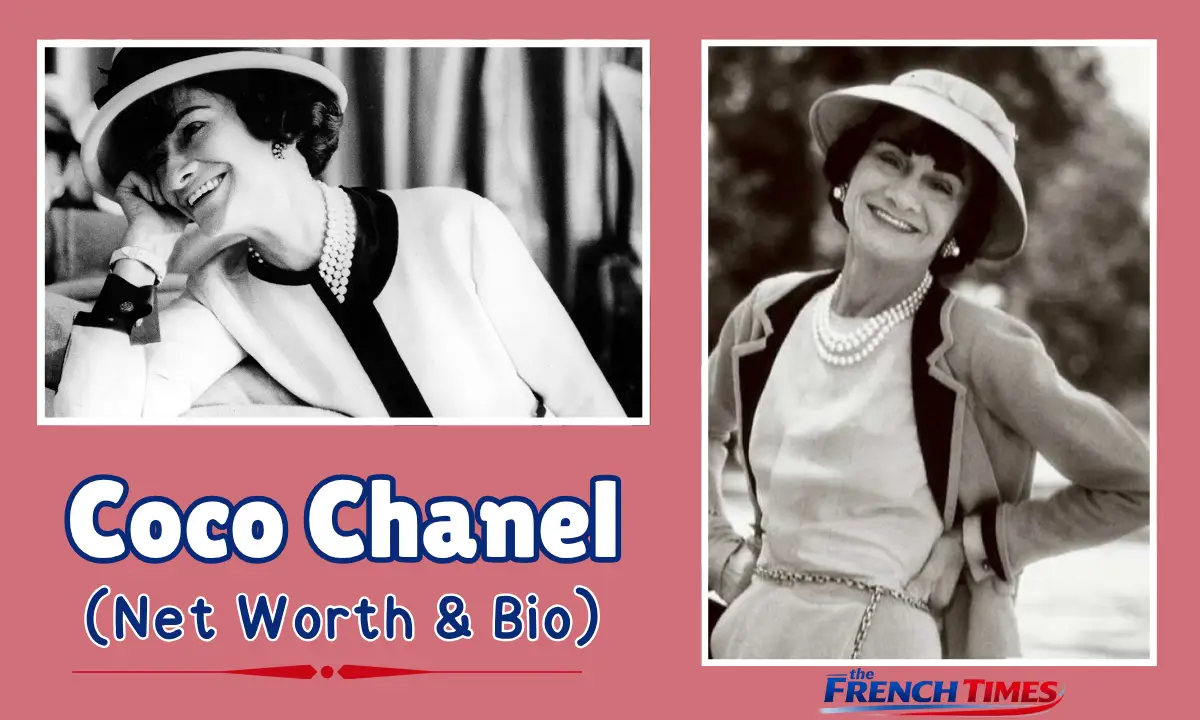

Coco Chanel, born Gabrielle Bonheur Chanel, remains one of the most influential icons in fashion history. Renowned for her innovative designs that combined simplicity, sophistication, and practicality, Chanel redefined the role of women in the fashion world and remains an indelible part of the industry’s fabric. From her groundbreaking designs like the little black dress and the Chanel suit, to her pioneering work in fragrance and cosmetics, Chanel’s vision continues to resonate today.
The Legacy of Coco Chanel: An Icon of Timeless Elegance
The designer Coco Chanel redefined women’s fashion, moving away from the stiff and decorative clothing of her era towards clothes that could be worn with ease and dignity. Her name evokes elegance and opulence, but behind the glamorous image was the remarkable insight of Coco Chanel who knew what women really wanted to be both elegant and liberated.
Who is Coco Chanel?
Coco Chanel was a French fashion designer who founded the iconic Chanel brand, forever changing the way women dressed. Born Gabrielle Bonheur Chanel on August 19, 1883, in Saumur, France, her life was a striking contrast of poverty and privilege. Chanel’s vision of fashion was one of comfort, simplicity, and understated elegance, where the focus shifted from ornate embellishments to clean lines and functional beauty.
She is best known for introducing the little black dress, Chanel No. 5 perfume, and the Chanel suit designs that have endured through generations. Her influence extended beyond fashion into cosmetics and fragrance, ensuring that her mark on the world would remain everlasting.
Key Facts About Coco Chanel
| Attribute | Details |
|---|---|
| Full Name | Gabrielle Bonheur Chanel |
| Known As | Coco Chanel |
| Date of Birth | August 19, 1883 |
| Place of Birth | Saumur, France |
| Nationality | French |
| Profession | Fashion Designer, Entrepreneur, Businesswoman |
| Famous For | Little Black Dress, Chanel Suit, Chanel No. 5 |
| Early Life | Born into poverty, spent childhood in orphanage, learned to sew |
| Key Innovations | Little Black Dress (LBD), Chanel No. 5, Chanel Suit, 2.55 Bag |
| Partner(s) | Arthur “Boy” Capel, Étienne Balsan |
| Awards and Recognition | Neiman Marcus Fashion Award (1957), Time 100 Most Influential People of the 20th Century |
| Died | January 10, 1971 |
| Cause of Death | Natural causes (Heart failure) |
| Resting Place | Bois‑de‑Vaux Cemetery, Lausanne, Switzerland |
| Net Worth at Death | Estimated $10 million (adjusted for inflation) |
| Legacy | Creator of the Chanel brand, pioneer in fashion and beauty |
Coco Chanel Age, DOB, Birth Place & Death Date
Coco Chanel was born on August 19, 1883, in Saumur, France. She lived a remarkable life, passing away at the age of 87 on January 10, 1971, leaving behind an indelible mark on the fashion world.
Also, Read About: Gérard Depardieu Age, Zodiac Sign, Biography, Height, Family, Relationships, Career, Net Worth and More
Coco Chanel Early Life: From Poverty to Fashion Pioneer
Born into poverty, Chanel’s early years were far from glamorous. Her mother’s death when Chanel was just 12 years old led to her being sent to an orphanage, where she spent her formative years learning to sew. The austere surroundings of the orphanage played a significant role in shaping Chanel’s minimalist and functional design approach later in life. She found beauty in simplicity, using clean lines and neutral colors to make her mark on the fashion world.
Her journey from poverty to prominence was defined by her ability to reinvent herself at each stage of her life first as a singer, then a seamstress, and finally as one of the most influential designers of the 20th century.
Coco Chanel Height, Weight & Physical Appearance Table
| Attribute | Details |
|---|---|
| Height | 5’7″ (170 cm) |
| Weight | Approx. 121 lbs (55 kg) |
| Hair Color | Dark Brown (often styled in a bob or chic updo) |
| Eye Color | Dark Brown |
| Build | Slim and elegant |
| Distinct Features | Signature bob haircut, slender frame, and poised demeanor |
Chanel’s Groundbreaking Contributions to Fashion
Chanel’s career skyrocketed when she opened her first millinery shop, Chanel Modes, in Paris in 1910. With the support of her lover Arthur “Boy” Capel, she introduced women to a new era of fashion, starting with her minimalist hats, which quickly became a sensation in Parisian high society.
Chanel’s true revolution came in the 1920s when she began expanding her designs into ready-to-wear collections that offered women more comfort and freedom. She rejected the corset in favor of loose, flowing fabrics and clean silhouettes, which became the foundation of her legacy.
Key Innovations by Coco Chanel
- The Little Black Dress (LBD): First introduced in 1926, the little black dress was seen as scandalous in its simplicity. Vogue declared it the “Ford of Fashion” for its versatility and accessibility.
- Chanel No. 5: In collaboration with perfumer Ernest Beaux, Chanel created the now-legendary Chanel No. 5 in 1921. Unlike traditional single-note perfumes, Chanel No. 5 was complex, blending natural and synthetic ingredients. It remains one of the best-selling perfumes in history.
- The Chanel Suit: Introduced in 1925, this collarless, tweed jacket with a fitted skirt became the emblem of Chanel’s vision for professional, yet stylish, women’s clothing. The suit represented a shift towards functional elegance in women’s fashion.
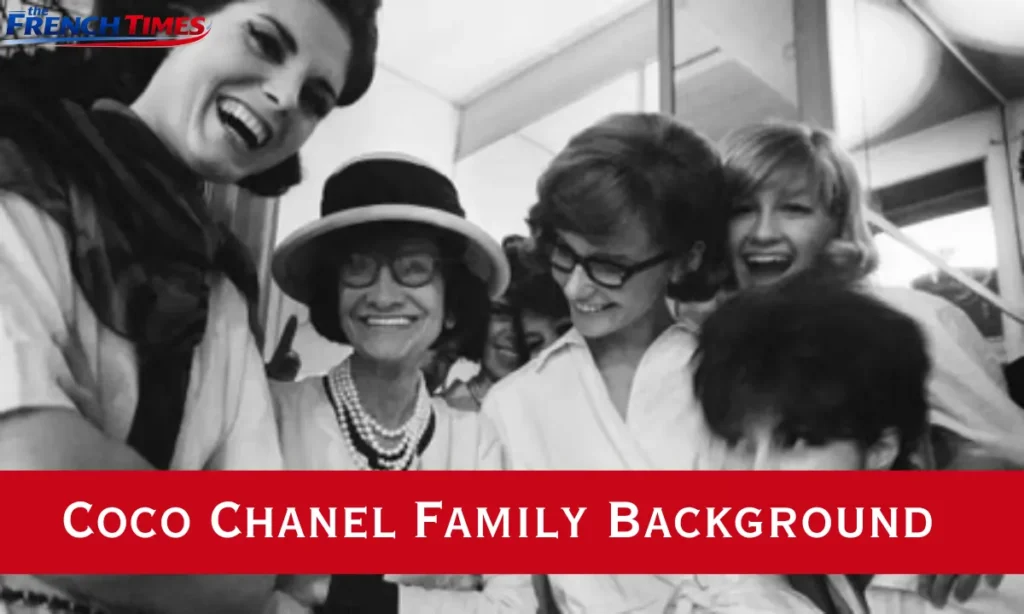
Coco Chanel Family Background
| Attribute | Details |
|---|---|
| Father | Albert Chanel – A traveling street vendor who abandoned Coco and her siblings when she was young. |
| Mother | Eugénie Jeanne Devolle – A laundrywoman who passed away when Chanel was just 12 years old. |
| Siblings | Coco had several siblings, but most of them either died young or were lost to her after her mother’s death. |
| Early Family Life | Chanel grew up in poverty, and after her mother’s death, she was placed in an orphanage, where she was raised by nuns. |
The Legacy of Chanel’s Fragrance Empire
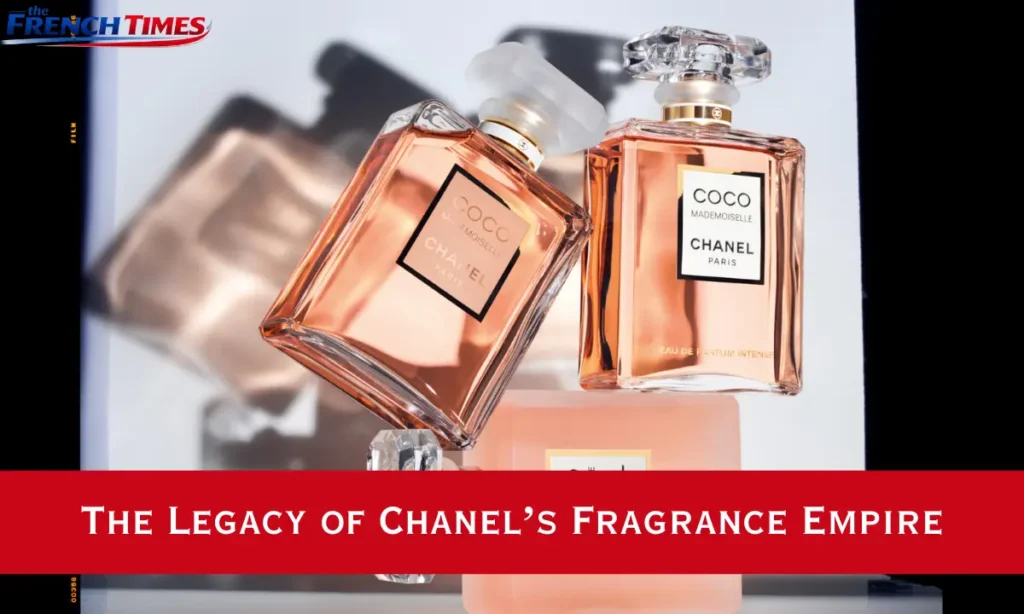
One of Coco Chanel’s most enduring contributions was in the fragrance industry. Chanel No. 5 not only became the most iconic fragrance in the world but also helped solidify Chanel’s dominance in the beauty industry. Chanel’s partnership with Ernest Beaux to create this groundbreaking fragrance marked a significant departure from traditional perfume-making. Chanel No. 5 was complex and innovative, with its combination of synthetic and natural ingredients setting it apart from previous perfumes that used single flower notes.
This move not only established Chanel’s fragrance empire but also became a symbol of the Chanel brand itself luxurious, sophisticated, and ahead of its time.
Coco Chanel Husband and Relationships
Coco Chanel never married, despite having several significant relationships. Her most notable was with Arthur “Boy” Capel, whose support was pivotal in launching her career. Though deeply affected by his tragic death in 1919, Chanel remained single throughout her life, valuing independence over marriage. She also had relationships with the Duke of Westminster and Igor Stravinsky, but always prioritized her career and creative freedom over romantic commitments.
Chanel’s Impact on Fashion Icons and Other Designers
Chanel’s impact extended far beyond her own collections. Her revolutionary approach to fashion influenced many designers who followed her, including Karl Lagerfeld, who helped revitalize Chanel’s legacy after her death. Yves Saint Laurent, Christian Dior, and Jean Paul Gaultier were also influenced by Chanel’s designs, particularly her ability to marry simplicity with high fashion.
Chanel’s vision has left an indelible mark not only on haute couture but also on the ready-to-wear industry, making high fashion more accessible while maintaining an aura of exclusivity.
Chanel’s Views on Beauty and Cosmetics
Chanel was also an innovator in the cosmetics industry, founding Chanel Beauty with the same philosophy that guided her fashion: simplicity and functionality. She believed that beauty should enhance a woman’s natural features, not mask them with excessive decoration. Her minimalist approach to cosmetics aimed to make women feel comfortable and elegant, with products that suited their lifestyle.
Chanel’s early work in beauty set the tone for modern makeup and skincare products. Her line was among the first to offer luxurious products that were designed to be functional and timeless, an extension of her overall design ethos.
Coco Chanel’s Design Philosophy: Timeless Elegance
Chanel’s design philosophy was rooted in simplicity, comfort, and freedom. She famously said, “Luxury must be comfortable, otherwise, it is not luxury.” Her approach to fashion was based on the idea that women should be able to move, breathe, and feel at ease in their clothing. Chanel’s creations were designed not to constrain but to liberate.
Her key principles included:
Functional Luxury
Chanel revolutionized the notion of luxury by blending comfort and elegance, ensuring that women could look stylish while feeling comfortable.
The Power of Accessories
Chanel was a pioneer in transforming costume jewelry into high fashion. She famously mixed faux pearls with real diamonds, making luxury more accessible without compromising on quality or style.
The 2.55 Bag
Released in 1955, this iconic bag with a quilted design and chain strap was not just fashionable but practical. It allowed women to keep their hands free, adding an element of convenience to the classic Chanel style.
The “Less is More” Rule
Chanel believed in the beauty of minimalism. Her advice, “Before you leave the house, look in the mirror and take one thing off,” encapsulated her approach to both fashion and life.
Coco Chanel’s Enduring Legacy in Fashion
Coco Chanel’s legacy is profound and everlasting. Even decades after her death, Chanel remains a cornerstone of modern fashion. The House of Chanel continues to influence the industry, thanks to the visionary leadership of designers like Karl Lagerfeld and Virginie Viard. Chanel’s influence on fashion, beauty, and fragrance has made her an enduring icon whose impact transcends generations.
Coco Chanel’s Net Worth & Sources
At the time of her death in 1971, Chanel had amassed an estimated net worth of $10 million, which today would be approximately $80 million when adjusted for inflation. Her wealth came primarily from her fashion house, which remains a multi billion dollar empire, and her enduring success with Chanel No. 5.
His Death Reasons
Coco Chanel passed away on January 10, 1971, at the age of 87, due to natural causes, specifically heart failure. In her later years, she lived a quiet and somewhat reclusive life, residing in the luxurious Hotel Ritz in Paris, where she had spent much of her time. Despite her seclusion, Chanel remained an enduring symbol of elegance, and her brand continued to flourish under the guidance of later creative directors, particularly Karl Lagerfeld, who revitalized the House of Chanel after her death.
Chanel’s death marked the conclusion of an extraordinary career that reshaped women’s fashion. Her legacy, however, has never faded. The principles she laid out in fashion, fragrance, and beauty continue to resonate today, cementing her as one of the most influential designers in history.
Favorites Things
| Category | Favorite Things |
|---|---|
| Color | Black (her signature color) |
| Food | Champagne, caviar, and simple, elegant meals |
| Flower | Camellias – Chanel often wore camellia flowers in her hair and used them as a motif in her designs. |
| Perfume | Chanel No. 5 – The iconic fragrance she created remains her most beloved scent. |
| Fashion Accessory | Pearls – Chanel loved pearls and often included them in her designs, particularly in costume jewelry. |
| Animal | Dogs – She had a deep affection for her pet dogs, particularly a Yorkshire Terrier named “Pompon”. |
| Gemstone | Diamonds – Chanel was fond of mixing faux pearls with diamonds in her costume jewelry. |
Concise Luxury Collection for Coco Chanel
| Category | Luxury Collection |
|---|---|
| Jewelry | Costume jewelry, faux pearls mixed with diamonds |
| Handbags | Chanel 2.55 bag (quilted, chain strap) |
| Clothing | Chanel tweed suit (elegant yet comfortable) |
| Footwear | Chanel ballet flats |
| Fragrance | Chanel No. 5 (iconic perfume) |
| Watches | Chanel J12 (luxury ceramic watch) |
| Eyewear | Chanel sunglasses (elegant oversized designs) |
Social Media
| Platform | Official Chanel Account |
|---|---|
| @chanelofficial | |
| @chanel_coco83 | |
| Coco Chanel | |
| YouTube | CHANEL |
Controversies Surrounding Coco Chanel
Coco Chanel’s legacy is not without its controversies, particularly regarding her actions during World War II. During the German occupation of France, Chanel resided at the Hotel Ritz, a hub for Nazi officers. She was romantically involved with Hans Günther von Dincklage, a German intelligence officer, which led to accusations of collaboration with the Nazis. Some even suggest that she worked as a Nazi spy, though the full extent of her involvement remains debated.
Despite these allegations, Chanel made a successful comeback in 1954, reestablishing herself as a leading figure in fashion. While her wartime activities remain a contentious part of her history, they have not overshadowed her immense contributions to fashion and her ability to redefine women’s style.
Lesser-Known Facts About Coco Chanel
- Coco Chanel was originally a café singer, and it was during this time that she earned the nickname “Coco” from the songs she performed.
- After her mother passed away, Chanel was sent to an orphanage, where she learned to sew, which would later shape her career.
- During World War II, Chanel had a controversial relationship with a German officer, leading to accusations of Nazi collaboration.
- Chanel was one of the first designers to incorporate menswear elements into women’s fashion, like trousers and tailored jackets.
- The camellia flower became one of Chanel’s signature motifs, reflecting her personal love for the flower.
- Chanel No. 5 was the first fragrance to use synthetic aldehydes, which made it a groundbreaking innovation in the perfume industry.
- Chanel spent much of her later years living at the Hotel Ritz in Paris, making it her permanent residence.
- After a 15-year hiatus, Chanel made a spectacular comeback in 1954 at the age of 71, revitalizing her brand.
Conclusion
Coco Chanel’s true brilliance wasn’t in following trends, but in creating them. Her designs were rooted in the needs of modern women comfort, freedom, and elegance. Chanel’s legacy is a testament to the power of simplicity, vision, and a relentless pursuit of innovation. As she famously said, “In order to be irreplaceable, one must always be different.” Through her enduring designs, she remains exactly that.
FAQs
What is Coco Chanel best known for?
Coco Chanel is best known for her iconic designs such as the little black dress, Chanel No. 5 perfume, and the Chanel suit.
When was Coco Chanel born?
Coco Chanel was born on August 19, 1883, in Saumur, France.
Did Coco Chanel ever marry?
No, Chanel never married but had several notable relationships throughout her life.
How did Chanel get her nickname “Coco”?
The nickname “Coco” came from the songs she performed early in her career as a singer.
What is Chanel’s legacy?
Chanel’s legacy lies in her ability to create timeless fashion, fragrance, and beauty products that have become symbols of luxury, sophistication, and practicality.
Also Read About: Jean Reno Net Worth, Age, Zodiac Sign, Biography, Family, Relationships, Career and Many More

